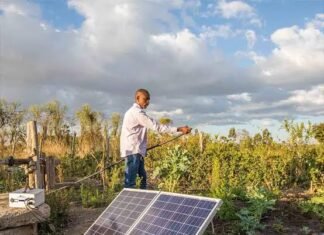
Africa finds itself at a unique and critical crossroads when it comes to the global climate crisis. The continent contributes less than four per cent of global greenhouse gas emissions, yet its communities are among the hardest hit by extreme weather patterns. Also, droughts and floods are recurring more frequently, destroying crops and livelihoods, and threatening nearly half of the continent’s entire economic output. Since a vast portion of the African workforce relies directly on climate-sensitive sectors like agriculture, fishing, and informal retail trade, local economies are highly vulnerable to these environmental shocks. These myriad of problems necessitated the creation of the Catalyst Fund.
The Emergence of Local Climate Innovation
In the midst of these heavy challenges, a powerful wave of local innovation is rising across the continent. African tech founders are not waiting for global solutions to trickle down. Instead, they are actively building smart, practical, and localised digital tools to help their communities adapt, survive, and thrive. These innovators understand the unique challenges of their environments, from erratic electricity grids to limited internet access in rural areas.
However, bringing these brilliant ideas to life requires significant resources. Supporting these early-stage businesses requires much more than just regular bank loans, which often come with high interest rates and rigid repayment terms. It demands specialised venture capital, patience, and deep, hands-on operational guidance. This is exactly where the Catalyst Fund steps in as a vital champion for African climate innovation.
What Is the Catalyst Fund?
The Catalyst Fund is a prominent pre-seed venture capital fund and startup accelerator dedicated entirely to supporting early-stage technology companies that are building a climate-resilient future in Africa. Originally founded in 2016 and managed by BFA Global, the fund has evolved over the years into a primary force for climate adaptation on the continent.
The journey of the Catalyst Fund is a story of continuous adaptation. The initiative originally started as a philanthropic venture focused entirely on inclusive financial technology, helping underserved populations gain access to banking and digital payment tools. However, as the team observed how deeply climate change was disrupting the financial stability of ordinary citizens, they recognised that a critical shift was needed. Around late 2022, the fund officially transformed into a full venture capital fund dedicated entirely to climate resilience, realising that financial inclusion and climate survival are deeply interconnected.
Targeting the Early Stage Climate Startups
Unlike traditional investment firms that prefer to fund late-stage businesses with proven financial track records, the Catalyst Fund focuses on the very beginning of an entrepreneur’s journey. They step in when a startup is at the pre-seed stage. This is the vulnerable period when a company has a raw idea or a basic prototype but lacks the capital to scale. With a target fund size of forty million dollars, they actively pull together resources from both international and local investors, including major institutions like the International Finance Corporation, to back forty distinct African climate tech ventures.
The Venture Building Model of the Catalyst Fund and Operational Support for Climate Startups
One of the most unique aspects of the Catalyst Fund is that they do not simply hand over money and walk away. They understand that early-stage founders in Africa face a massive shortage of specialised talent, technical skills, and reliable market data. To bridge this critical gap, the fund provides a highly intensive program known as venture building.
When a startup is selected into the program, the Catalyst Fund invests two hundred thousand dollars in equity capital to give the company immediate financial runway. Alongside this money, the fund deploys its own internal team of experienced engineers, product managers, data scientists, and growth marketers. This dedicated team spends hundreds of hours working as temporary employees inside the startup for about six months. They help the founders refine their mobile applications, structure their business data, conduct deep user research with local consumers, and build strong sales strategies. This intense, practical support allows young companies to find their footing much faster, avoiding costly mistakes and preparing them to successfully raise larger investments from global markets in the future.
The Three Pillars of African Climate Resilience
To make sure their investments have the biggest possible impact on human lives, the Catalyst Fund concentrates its efforts across three core economic areas that directly affect vulnerable populations.
1. Fintech for Climate Resilience
The first area involves using digital financial tools to help vulnerable populations manage climate-related financial shocks. This includes digital micro-insurance platforms that allow smallholder farmers to protect their investments against drought, mobile wallet savings plans tailored for emergency weather situations, and flexible credit platforms that help individuals recover quickly after a natural disaster strikes. By embedding climate data into financial services, these tools create a safety net for those who need it most.
2. Sustainable Livelihoods
Since agriculture, food systems, and fisheries employ a massive percentage of the African workforce, the fund backs companies that make these jobs more secure against changing weather. This pillar focuses on climate-smart agricultural technology, digital marketplaces that connect rural farmers directly to urban buyers to eliminate waste, and data platforms that help predict crop yields and weather shifts. These solutions protect the incomes of everyday workers and secure food supplies for growing populations.
3. Climate-Smart Essential Services
The third area covers the basic infrastructure that communities need to survive and prosper under changing environmental conditions. This includes clean and decentralised energy systems, smart water management tools to prevent scarcity, affordable solar-powered cold-storage facilities for food preservation, and innovative waste management solutions. These services ensure that vital resources remain accessible and affordable, even when local climates become unpredictable.
Real Innovations Changing Lives Across the Continent
The practical success of this model can be seen through the diverse startups that make up the Catalyst Fund’s growing portfolio. These businesses are operating across multiple countries, including Kenya, Nigeria, Tanzania, Egypt, and Senegal, addressing real problems faced by everyday citizens.
In Kenya, the fund has invested in Keep IT Cool, a startup that provides solar-powered cold-storage solutions to fish farmers and vendors. This technology dramatically cuts down on food spoilage, ensuring that hard-working fishers do not lose their daily income simply because they lack refrigeration. Similarly, Aquarech supports small-scale fish farming with specialised feed marketplaces and monitoring tools that help fishers adapt to changing water temperatures.
In agriculture, companies are making massive strides. Agro Supply offers a simple USSD-based system that lets smallholder farmers save money and pay for farming inputs in instalments over time. Because it works via basic mobile shortcodes, farmers do not need expensive smartphones or constant internet connections to access quality seeds and fertilisers. In Tanzania, Mazao Hub uses hyperlocal soil analytics to support better farming decisions, while Zebra Cropbank in Nigeria helps farmers store their harvests safely and access post-harvest credit.
Read Also: Solar Startup Eja-Ice Secures $1 Million Funding to Expand Cold Storage Across Nigeria
Powering Businesses and Managing Waste
Energy access remains a massive challenge, and the Catalyst Fund is backing companies that offer cleaner alternatives to polluting fossil fuels. In Nigeria, Earthbond acts as a specialised marketplace to help small businesses access affordable financing for solar energy. By replacing expensive and noisy diesel generators with clean solar power, small business owners lower their operating costs and stay resilient against erratic electricity grids.
In North Africa, NoorNation in Egypt scales solar-powered water and energy systems for rural communities, while Tolbi in Senegal uses satellite-based crop monitoring tools. Even waste management is being transformed into an economic opportunity. Companies like Bekia allow households and businesses to exchange recyclable materials for cash through simple mobile apps, turning environmental cleanup into a sustainable source of income.
Strengthening the Broader African Tech Ecosystem
Beyond funding individual startups, the Catalyst Fund is deeply committed to building a stronger, more connected business ecosystem across the continent. They run a grant-funded facility called the Catalyst Ecosystem Hub, which acts as a bridge bringing together global investors, local corporations, research institutions, and policymakers. By sharing data, publishing comprehensive market reports, and hosting collaborative workshops, the fund helps the entire investment community better understand how to support African climate tech effectively.
The statistics show that this holistic approach is working. Across their past accelerator programs, their portfolio companies have maintained a remarkably high survival rate. These startups have gone on to raise over eight hundred million dollars in additional follow-on funding from the global market. More importantly, the solutions built by these innovators have reached over fourteen million underserved individuals and small businesses globally, proving that commercial technology ventures can solve critical human challenges while remaining financially sustainable.
Read Also: Nigeria’s Government Launches $7.5 Million Innovation Fund, Announces SAID Challenge
A Word for African Innovators
The journey toward a climate-resilient Africa needs many hands, and funds like this are helping to make it possible. For African readers, whether you are an entrepreneur, a student, a farmer, or a policymaker, understanding initiatives like the Catalyst Fund matters because it demonstrates that solutions to continental problems can come from within the continent. Africa is not just a victim of climate change; it is a global testing ground for powerful climate adaptation solutions.
The Catalyst Fund actively looks for early-stage startups working on climate adaptation, prioritising mission-driven founders, local innovators, and teams with strong representation of women leaders. If you are building a scalable business in agritech, clean energy, waste management, water solutions, or climate insurance, the doors are open to you, with initiatives like the Catalyst Fund helping to build a self-sustaining green economy for today and for generations to come.