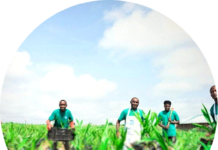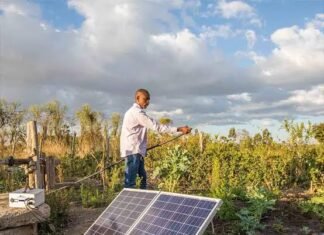
Startups in Africa are changing the continent. A surge of creativity is unfolding and startup development is in full swing. For example, in Accra, Oze, an innovative fintech startup, provides small and medium-sized enterprises with financial tools like loans and loan management solutions and payment solutions. Oze is collaborating with well-known financial organisations to create equal opportunities, enabling businesses of every size to succeed.
In Lagos, Healthtracka is changing the healthcare scene. Nigerians no longer experience lengthy waits and overcrowded clinics for vital lab tests. Healthtracka sends a healthcare expert to your home to gather samples and provides quick, cost-effective results. It’s health care by your rules, ensuring wellness is available to everyone.
These two examples illustrate how African startups are not merely envisioning greatness but are actively creating a better future for the continent. Imagine the potential of achieving this success in every industry throughout the continent. To realise this vision of a flourishing startup environment, we must tackle the existing obstacles. The recently introduced Startup Policy Framework and Model Law by the AU, revealed at the Google Ghana Research Centre on July 20th, serves as a strategic answer to these challenges, intending to foster a conducive environment for startup development.
Fostering A Better Startup Environment
Although there was a funding decline in 2023, African startups have demonstrated impressive resilience, achieving consistent year-on-year funding increases since 2019, with estimates expected to hit $10 billion by 2056. This matter goes beyond profits; it’s centred on people – those with aspirations and the determination to achieve them. It focuses on generating employment, enabling Africans throughout the continent to have the chance to earn a respectable livelihood.
However, African startups currently continue to encounter challenges. Low funding, both local and international regulations, among several other problems impede startup development and limit their capacity for expansion of their operations. In 2021 and 2022, investments in startups surged globally to an all-time high. But African startups attracted less than 3% of these funds. This calls for action to improve funding access and ensure that investment opportunities are available to every Member State on the continent.

Apart from financing, additional obstacles arise. The terrain of data protection continues to develop, talented individuals can be hard to find, and varying enforcement of intellectual property and dark markets adds further challenges.
Check Out Our Previous Posts:
Safety Standards: What Africa Should Know
In a world where innovation is fast-paced, the need to pay greater attention to technological safety is dire. Africa has historically invested less than enough in global-standard tech infrastructure. This is not befitting of a continent full of so much potential. The continent stands to benefit greatly from embracing the safest technologies available worldwide. These are not abstract ideas but proven systems that protect lives, information, and economies.
Top Areas of Focus in Safety Standards
1. Commercial Aviation:
Commercial aviation continues to set the standard for safety globally. Aircraft like the Airbus A350 and Boeing 787 were designed with adherence to stringent global regulations. They are heavily automated air machines built to optimize safety. For African countries, improving aviation safety can impact the economy tremendously. Safer air travel leads to enhanced regional connections, increased tourism, and enhanced trade networks. This is needed especially in areas with inadequate or limited road infrastructure.
2. Quantum Cryptography:
In cyberspace, quantum cryptography and sophisticated cybersecurity tools are creating transformational change. Quantum Key Distribution (QKD) is one of the latest innovations in encryption technology. It guarantees that messages cannot be intercepted. For Africa, adopting this technology may transform essential infrastructure in finance. It can safeguard government systems, energy grids, and mobile banking infrastructures against the cyberattacks that threaten advanced and emerging countries.
3. Blockchain:
Blockchain technology is mostly linked to cryptocurrency. But this technology has usefulness beyond just finance. Its unchangeable logs can offer transparency in governance. It makes it easy to verify the cost of products in procurement. It can also help safeguard land ownership, which is a persistent issue throughout the continent. In African economies, where informal markets and corruption may obstruct growth, blockchain increases accountability and efficiency and boosts investor trust.
4. Energy Security:
The energy sector can also be improved by the most secure new technologies. There are improved nuclear reactors called fourth-generation reactors designed to significantly lower the likelihood of accidents. Harnessing the potential of these reactors could unlock clean energy in the African continent, where poor access to electricity is widespread. The consequences are significant: industrial expansion, creation of local employment, and reduced dependence on fossil fuels.
5. Artificial Intelligence:

Artificial intelligence development is moving towards greater safety and responsibility. Explainable AI, a new and safety-focused category of AI models, ensures that the AI’s decision-making processes are transparent, verifiable, and subject to human supervision. This system has the potential to transform rural healthcare diagnostics, enhance agriculture in Africa using predictive analytics, and improve logistics. If used correctly, it lessens the dangers of automation.
Embracing these technologies goes beyond reducing risk. It will ensure the creation of structures that cushion the effects of decades of infrastructural stagnation. Africa has the chance to transition straight to international standards of safety and efficiency without the hassles of using old models.
Finally, Africa needs community training initiatives and strong regulatory structures. Technological safety plays a key role in economic transformation. It unlocks rapid development and fosters inclusiveness in societies. It is time for the African continent to lean towards a more proactive approach in startup development and safety standards instead of trailing in the global technology competition.