

When you purchase through links on our site, we may earn an affiliate commission. This doesn’t affect our editorial independence.
Nigeria’s persistent electricity problems have inadvertently created a huge and fast-growing market for power inverters. Millions of residences, enterprises, and essential facilities such as hospitals and financial institutions increasingly rely on these devices for energy. The increase in fuel prices and the limitations of conventional generators have made inverters attractive as an alternative source of power.
The inverter industry currently holds a value of hundreds of millions of dollars each year and is still growing, since only 58% of the population has access to the national grid. Nonetheless, a substantial and mostly neglected security risk arises from this dependence on foreign technology.
The Hidden Threat in Plain Sight
Contemporary inverters have evolved from being mere battery backup systems to becoming advanced Internet of Things (IoT) devices. They are fitted with wireless communication technologies such as Wi-Fi, Bluetooth, GSM, and undocumented cellular radios, enabling internet connectivity, data transmission, and remote control through smartphone applications. Although these “intelligent” functions are promoted for ease of use, they also transform these devices into possible surveillance tools. This implies that an intruder with access could observe who uses energy, when, and the quantity, effectively constructing a thorough map of a facility’s or organisation’s operational habits.
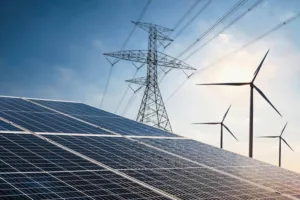
Image credit: Powerally.com
The dangers are especially severe for essential national infrastructure. For instance, Nigeria’s banks and telecom towers frequently depend on these inverters as components of their backup systems. An overseas opponent might observe these systems to identify when a bank is experiencing pressure or interfere with connectivity between areas during important elections or crises. The most significant threat, however, lies with the military. If inverters at military installations or radar facilities are breached, they could offer immediate insights into operational preparedness, supplying an enemy with a clear chance to inflict great damage without needing to engage in combat.
A Regulatory Vacuum and Lack of Oversight
This national security concern is worsened because many of these inverters are brought in without local scrutiny of their built-in software or communication systems. Nigeria does not have a standardised system for the cybersecurity of these devices, making critical infrastructure susceptible. Although the Standards Organisation of Nigeria (SON) has established standards for electrical safety, these do not cover the cybersecurity aspects of inverter communication protocols.
This regulatory deficiency sharply contrasts with global best practices. Instances from different nations emphasise the urgency of the issue:
Ukraine
Between 2015 and 2016, Malware in cyberattacks targeted Ukraine’s power grid. It resulted in widespread panic and large-scale power outages.
Germany
In 2022, Germany’s power infrastructure suffered cyberattacks when attackers using ransomware targeted several wind energy companies.
United States
The Cybersecurity and Infrastructure Security Agency (CISA) has recorded significant vulnerabilities in commonly used inverters. Some of the vulnerabilities may enable attackers to capture data or spread harmful firmware. A Reuters investigation also discovered undocumented cellular radios concealed in certain solar inverters used in U.S. infrastructure.
Lithuania
In 2024, A law was enacted in Lithuania to prevent Chinese firms from remotely accessing the control systems of sensitive energy facilities. The law restricts the use of inverters and other sensitive devices imported from China.
Image Credit: Forbes.com
Nigeria’s absence of a national standard results in most imported inverters being proprietary “black boxes.” Local engineers or regulators cannot access their firmware and communication protocols, rendering them challenging to audit or secure.
Check Out Previous Posts on this Site
Urgent Call for Action
Nigeria must take immediate action to ensure that a household’s convenience doesn’t become a nationwide security risk. The National Information Technology Development Agency (NITDA) should work in conjunction with the Office of the National Security Adviser (ONSA) to:
- Control and Assess Imports: Establish a stringent system for overseeing and validating all imported inverter systems. This procedure should resemble the evaluation of telecom equipment for concealed communication components and external control channels.
- Implement Cybersecurity Standards: All imported inverters must adhere to global cybersecurity standards such as IEEE 2030.5 and IEC 62351, ensuring secure communication.
- Encourage Openness: Government and private agencies should encourage the buying of only safe inverter brands. Such brands must provide clear documentation and permit local inspections.
Ultimately, consumers need to become more aware of the dangers. Though contemporary inverters now come with smart features that are quite useful, they aren’t necessarily safe. Users need to assume responsibility by posing essential questions before linking an inverter to a network:
- Who can view my data?
- Is the transmission secured?
- Is it possible to modify the default password?
If Nigeria does not take proactive steps, its widespread adoption of inverters as a remedy for its power problems could become a Trojan horse that threatens national security and sovereignty.