

When you purchase through links on our site, we may earn an affiliate commission. This doesn’t affect our editorial independence.
In Ethiopia, government subsidies are insufficient to provide support for citizens who want to purchase an electric vehicle. The price of getting one is still high, even with government subsidies. In January 2024, Ethiopia became the first country to ban the import of fuel-powered vehicles. The move was to reduce fuel import spending, which reached $7.6 billion in 2023. That figure represented nearly a third of the government’s $22 billion annual budget.
The ban came with generous incentives for electric vehicles in Ethiopia. It is noteworthy that tax breaks on EV imports were to drive adoption and create a greener, more sustainable environment. Similarly, the Ministry of Transport and Logistics has celebrated the influx of EVs. Officials estimate that over 100,000 electric vehicles have been registered in Ethiopia since the government introduced the new regulations. Nevertheless, U.S. International Trade Administration figures suggest only 30,000 vehicles, revealing about 2.5% of the nation’s 1.2 million registered cars.
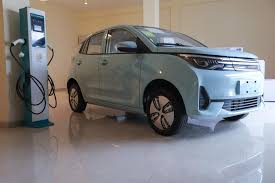
In Addis Ababa, seeing three or four EVs on a crowded highway is now possible. Yet, they remain out of reach for most citizens. For many Ethiopians, the high cost, limited infrastructure, and low resale value keep EVs unattractive.
Why Electric Vehicles in Ethiopia Remain Expensive
EVs in Ethiopia cost between ETB 1.8 million ($12,727) and ETB 2.5 million ($17,677). The average Ethiopian earns far less. Monthly salaries range from ETB 3,482 ($24.60) for low-income earners to ETB 27,010 ($190.90) for high earners. Even a high-income earner’s annual salary cannot cover the cost of one electric vehicle.
In Case You Missed It:
South Africa’s Fintech NPS Access Reform
MultiChoice Mulls 4K Launch on DStv and Showmax: Its Implications for Subscribers
Anteneh Tesfaye, CEO of Ethiopian tech firm Shega, highlights the root of the issue. “Cars are overall costly in Ethiopia. They are not affordable for most people; they’re a luxury,” he explained. Indeed, the country records only one car per 100 people. This is one of the lowest car ownership rates worldwide.
Before the ban on fuel-powered vehicles, taxes were the main barrier. Import duties included a 15% VAT, a 100% excise tax, a 10% surtax, and a 3% withholding tax. Combined with currency fluctuations, these made vehicle imports extremely costly. As a result, demand for used cars grew. Today, the used car market is valued at $482.77 million, triple the size of the new car market.
Electric vehicles in Ethiopia benefit from lower taxes. EV imports face only a 15% customs duty. Still, despite this tax relief, EVs remain just as financially burdensome as fuel-powered cars. Many citizens prefer combustion vehicles because they retain higher resale value. For many buyers, a car is not just a means of transportation; it is an investment.
Resale Value and Market Preferences
Resale value is the decisive factor for most car buyers in Ethiopia. Used cars often appreciate rather than depreciate. Owners can usually resell cars at 50–60% higher prices, taking into account inflation and demand. Tesfaye himself confirms, “I bought my car in 2022, and I could now sell it for much more.”
By contrast, electric vehicles in Ethiopia depreciate quickly. Reports show EVs lose value up to ten times faster than combustion cars. This discourages buyers who see car ownership as a financial hedge. Even those who admire EV design hesitate because of long-term risks.
Many Ethiopians worry about battery durability and replacement costs. EV batteries may need replacement every three to ten years. The financial burden is significant for buyers who are already stretching their budgets to own vehicles.
Charging infrastructure also worsens perceptions. Only 13 to 25 public EV charging stations exist nationwide. Most are concentrated in Addis Ababa. This makes long-distance travel risky and forces EV owners to plan routes carefully. Tesfaye explains, “To use an EV, you must plan intentionally. You can’t live spontaneously with limited charging.”
Charging Challenges and Motorbike Alternatives
Electric motorbikes present a brighter story. Unlike cars, they don’t rely on public charging stations. Users can charge them directly at home through power outlets. This makes ownership more practical and accessible for ordinary Ethiopians.
Yuma Sasaki, CEO of Dodai, an Ethiopian EV company, notes the difference. “Electric motorbike users have it much easier than car users,” he said. About 90% of Dodai’s customers are gig workers and delivery firms. These buyers use motorbikes for commercial purposes, creating a stable demand.
Still, challenges exist. Motorbike prices range from $1,500 to $2,000. Buyers often have to pay up front in cash. Because financing options are limited, the market is ten times smaller than it could be. Access to credit remains one of the biggest hurdles for potential customers.
For cars, the issue of infrastructure looms larger. Ethiopia has ambitious goals for electrification, but the expansion of its infrastructure is slow. Without reliable charging stations, buyers will continue to view EVs as impractical investments.
Optimism and the Path Ahead for Electric Vehicles in Ethiopia
Despite barriers, optimism remains. Many Ethiopians view EV adoption as essential for reducing national fuel expenditures and lowering emissions. The government continues to promote wider adoption through incentives and policy adjustments. Even then, affordability, resale concerns, and infrastructure gaps still hinder growth.
Experts suggest more aggressive government action. Subsidies on electric vehicles in Ethiopia could further reduce upfront costs, while partnerships could expand charging stations beyond Addis Ababa. Policies encouraging financing solutions also unlock demand. If citizens gain access to credit, EV adoption could rise dramatically.
The growing popularity of motorbikes offers valuable lessons. By lowering entry costs and improving financing, Ethiopia could unlock broader access to EVs. Commercial fleets, gig workers, and delivery firms are likely to drive initial adoption, followed by private households.
The reality is that electric vehicles in Ethiopia are not more expensive than regular cars. However, the economic context makes both categories unaffordable for most citizens. Until income levels, credit access, and infrastructure improve, EVs will remain out of reach for many.
Looking Ahead: A Market Balancing Promise and Obstacles
Ethiopia’s ban on fuel-powered vehicles reflects its ambition to transform mobility. The policy also highlights challenges in creating inclusive access to new technology. While EVs promise sustainability, they face economic, cultural, and infrastructural barriers.
For now, car ownership remains a luxury in Ethiopia. Second-hand cars dominate the market because they retain their value, serving as a form of investment. Electric vehicles in Ethiopia struggle because they lack resale strength and require infrastructure that does not yet exist.
Nevertheless, change is possible. With high hopes for targeted government support, stronger financing systems, and better infrastructure, adoption could accelerate. Citizens remain hopeful that one day, electric mobility will be accessible, reliable, and affordable. Ethiopia’s path may be gradual, but it shows the beginning of a new era in mobility.