When you purchase through links on our site, we may earn an affiliate commission. This doesn’t affect our editorial independence.
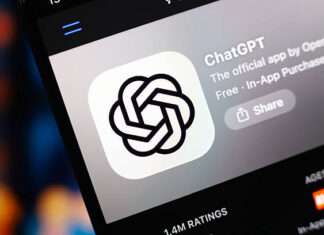
App developers can now submit their programs for review in ChatGPT, as OpenAI confirmed the launch of a new app directory within ChatGPT. This directory is widely described as a ChatGPT app store. The move opens ChatGPT to a broader ecosystem of third-party services.
Earlier, OpenAI announced plans to integrate apps directly into conversations. That announcement promised expanded capabilities for everyday users. Major platforms quickly joined the effort. Expedia, Spotify, Zillow, and Canva enabled direct access from chats. As a result, users can complete tasks without leaving conversations.
Apps enhance interactions by adding external context and real actions. Users can order groceries, design slides, or search for apartments instantly. These functions extend ChatGPT beyond simple responses. Consequently, engagement becomes more profound and more practical. The ChatGPT app store supports this shift by centralizing discovery.
OpenAI also introduced an Apps SDK for developers. This toolkit remains in beta but already supports custom experiences. Developers can build, test, and prepare submissions efficiently. Once ready, apps are uploaded to the OpenAI Developer platform. There, creators track approval progress and launch timelines.
This expansion reflects OpenAI’s strategy to keep users active longer. More features encourage repeated daily use. At the same time, developers gain access to a growing audience. The ChatGPT app store, therefore, benefits both sides of the ecosystem.
ChatGPT App Store: Growing Ecosystem and Long-Term Impact
Approved apps will begin launching inside ChatGPT over the coming year. OpenAI expects a steady rollout rather than a single release. This approach allows quality control and performance monitoring. It also ensures users experience stable integrations.
The ChatGPT app store signals a shift toward platform thinking. Instead of a standalone chatbot, ChatGPT becomes an interaction hub. Users may rely on it for travel, music, housing, and design. This convenience strengthens platform loyalty over time.
Read Also: ChatGPT Mobile App Hits $3B Milestone
Developers also gain new distribution opportunities. Traditional app stores face challenges with discovery and intense competition. In contrast, conversational access feels natural and immediate. The ChatGPT app store reduces friction between intent and action.
From a user perspective, fewer app switches improve productivity. Tasks are handled within a single interface, saving time. Meanwhile, OpenAI gathers insights into usage patterns. These insights could shape future features and monetization models.
The move expands ChatGPT’s role in daily digital life. It blends conversation with execution smoothly. As more apps arrive, utility should continue increasing. The ChatGPT app store represents a significant step toward that future.