
Google Scholar Labs has introduced a new way to search scholarly literature. This feature builds on Google Scholar but adds a more intelligent search engine that understands full research questions, beyond the keywords. When you type a question, Scholar Labs breaks it down into its key concepts, related topics and their relationships.
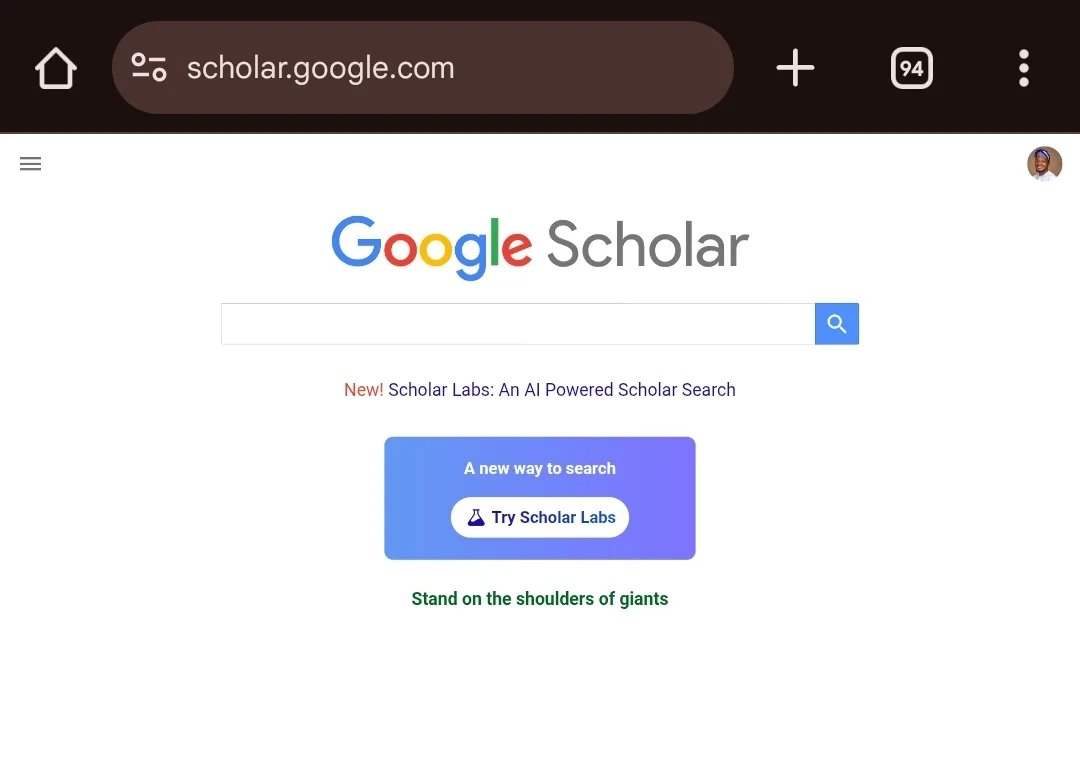
Moving forward, this tool then searches across Google Scholar’s database for works that address those aspects. This tool lists papers and provides a brief explanation of how each helps answer your question.
Read Also: Google Cost-Cutting Measures and Their Ripple Effect on Publishers
In the same spirit, Scholar Labs supports follow-up queries. If your first search yields interesting results, you can narrow the question, explore sub-topics, or ask for recent studies. As of now, use is limited to a select group of logged-in users, and questions must be in English.
One of the main strengths of Google Scholar Labs is its ability to surface papers that traditional keyword searches might miss. For example, if you ask how caffeine affects short-term memory, the tool doesn’t just look for “caffeine memory.” Instead, it explores related themes, such as age differences in cognitive function and memory retention patterns. This can be useful if you study interdisciplinary or niche topics.
How Google Scholar Labs Changes Literature Search
With this tool, you may spend less time typing multiple keyword variations. Google Scholar Labs handles much of that complexity for you.
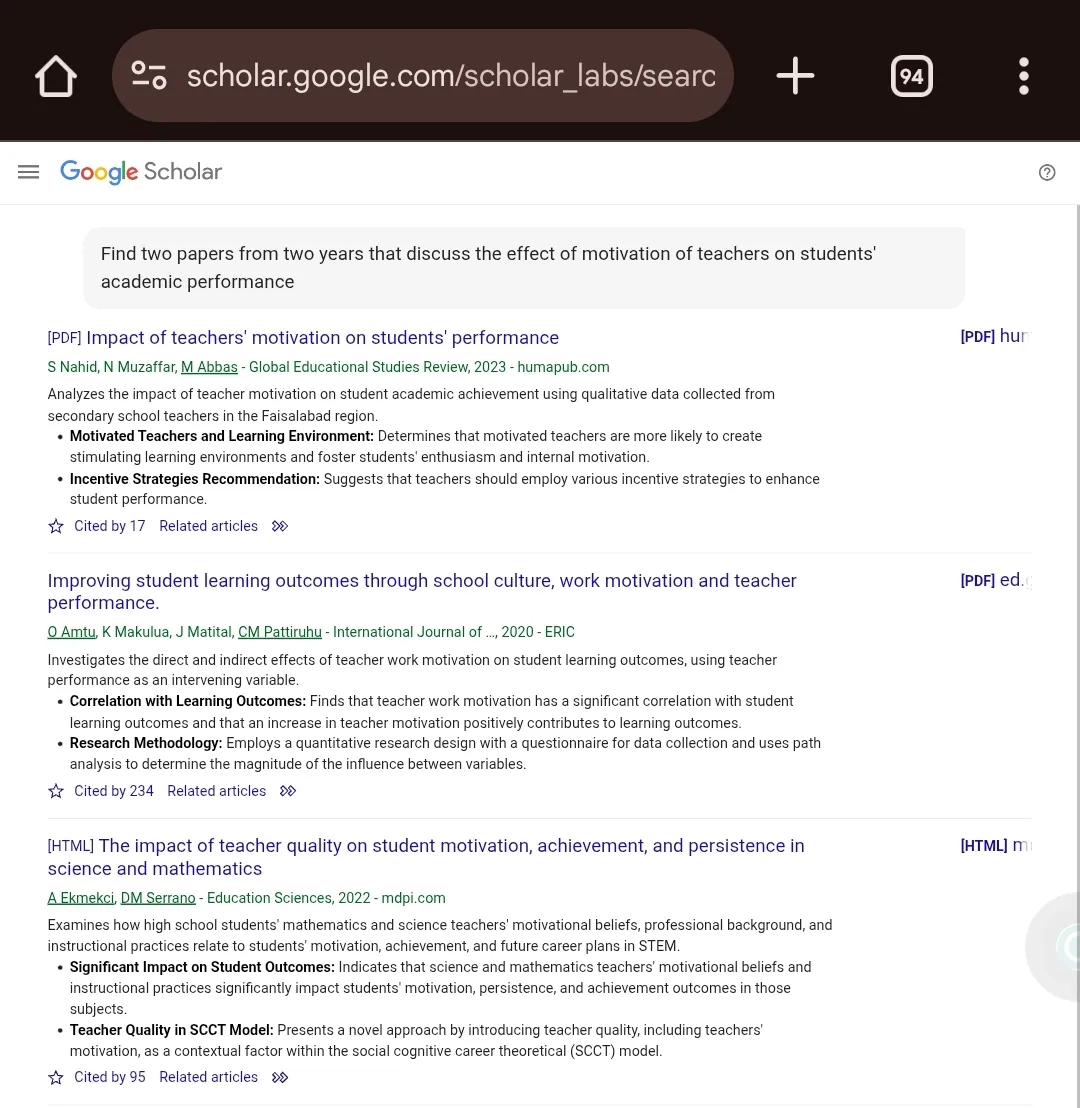
Additionally, it helps you see the bigger picture. You might discover relevant literature from adjacent fields, something you might never find using traditional search.
For researchers working on complex or multi-layered questions, Scholar Labs offers a quicker path to building a robust literature base. It may improve the breadth and depth of early-stage literature reviews, as it also allows follow-up questions.
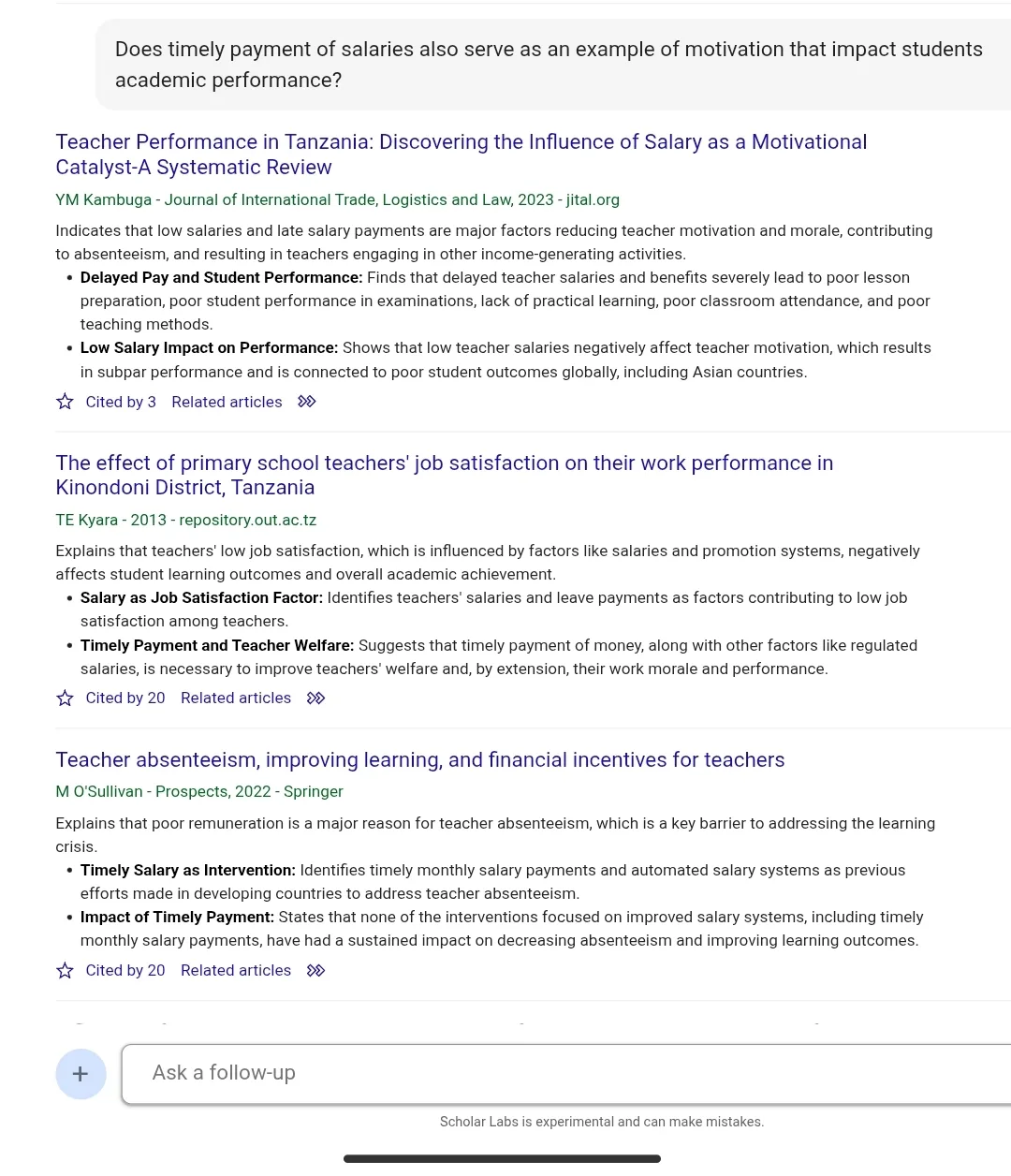
However, this tool is not perfect. This is because Google Scholar Labs does not rely solely on citation counts or impact factors. To get the best of your expectations, you must critically evaluate each paper. It is essential to recognise that relevance does not always equate to quality. The final judgment must rest on you, not on the tool.
For any field of research whether education or legal research, Google Scholar Labs could offer a significant advantage on topics such as instructional materials, classroom settings, or regulatory frameworks. It may help you uncover lesser-known studies, regional works, or interdisciplinary sources otherwise hard to find. However, TechPolyp finds out Google Scholar Lab doesn’t summarise papers like a generative AI.
As the service expands beyond its current limited release, it is likely to become a mainstream instrument for academic research worldwide.