
During the 2020 COVID-19 lockdown when the education system suffered significant upheaval. Educators, learners and parents unexpectedly faced the new reality of online education. It was a challenging period for all those involved. But amid that chaos, a small but determined team began working on a solution that would quietly grow into one of Nigeria’s most teacher-centred education platforms: Curri_AI.
How Curri AI’s Journey Began
The story starts with Bature Abdullahi Muhammad, the founder of Curri AI. Reflecting on those early days during a recent chat with TechPolyp, Bature shared how the lockdown exposed a glaring problem. “Schools were trying all kinds of makeshift methods to teach, but there was no way to properly assess if students were learning,” he said. “There was no feedback for teachers, so they were essentially teaching without assessing.” That realisation led to creating a gamified app designed to engage students, which evolved into Schoola AI, a platform where teachers could test students and track their progress. It took off quite fast, and schools even started contributing their digital content on the platform.

However, as time went on, challenges began to emerge. “Firstly, we weren’t earning enough for the workload; secondly, after schools reopened, many schools expected their teachers to source materials to upload on the platform while also doing their duties as classroom teachers,” Bature explained. “We asked, what if we could build something that takes all of that workload off their plates?” And that’s how Curri_AI was born. It is a platform designed to save teachers time by providing curriculum-aligned, contextually relevant content explicitly tailored for African classrooms.
Curri AI’s Mission and Goal
At its core, Curri_AI is about empowering teachers and facilitating teaching using AI. Instead of forcing foreign curricula or generic lessons, it integrates with what schools and teachers have already developed. This means lesson plans are aligned with global standards and grounded in the realities of local classrooms. The startup aims to use the capabilities of artificial intelligence to transform teaching.
Asked if AI might replace teachers one day, Bature says, “AI won’t replace teachers — only those who don’t keep growing. Aeroplanes didn’t make walking obsolete; they just got us places faster. AI can’t grasp classroom realities the way a teacher can. Our job is to equip teachers with better tools, not take their place.” One cool feature of Curri AI is the “modern lesson” option, where teachers can peek at how their peers in nearby areas teach. This local sharing encourages improvement while keeping things familiar and culturally relevant. And while it respects local methods, the platform also nudges teachers to adopt best practices worldwide.
Check Out Our Previous Posts:
Instagram School Partnership Program Speeds Up Moderation for Safer Online Experience
The 5 Best Language Learning Apps for 2025, With Unique Features
Growing Through Partnerships and Persistence
Although bringing this idea to life hasn’t been simple, Curri AI’s team has persevered. The EdTech Fellowship Program was their big break, as they won $100,000 from Carnegie Mellon University after winning the judges over with their creative strategy. They have piloted their tools in Borno and Maiduguri, focusing on out-of-school students who require additional support, with the assistance of Co-Creation Hub (CcHub) and non-governmental organizations. The Foundational Literacy and Numeracy program is a noteworthy project that aims to provide children with the essential reading and numeracy abilities they require from a young age.
Curri_AI’s mission is aided by collaborations with government organizations such as the National Teachers Institute in Kaduna and the Universal Basic Education Commission (UBEC). The platform is rapidly expanding its reach. With more than 15,000 teachers and 2,000 schools already using Curri AI, the platform has gained traction and is blazing the trail in Edtech.
Context-focused Platform
Its commitment to context sets Curri AI apart. It is determined not to offer generic content. Backed by Carnegie Mellon University, the platform’s features are rooted in learning science and technology, ensuring lessons are delivered easily and effectively. “African classrooms are different from those in Europe or the US,” Bature points out. “A teacher in Maiduguri faces very different challenges than one in Lekki, and our platform reflects those differences.” This context-driven mindset applies not just to content but also to teaching methods
Addressing Real-World Challenges
Curri AI also addresses real-world challenges beyond lesson planning. For example, payments for subscriptions and services are streamlined through integrations with popular Nigerian payment gateways like Flutterwave and Paystack. This makes it easy for users to pay via their preferred banks or mobile money platforms within the app.
Curri AI: Overview of Features
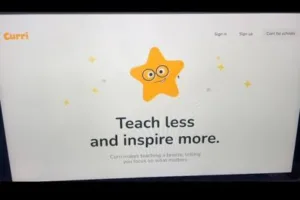
Curri for Schools; an assistant feature in the app enables department heads to review and provide feedback on lesson plans directly. About 80% of the platform’s current tools have come from school recommendations. A marketplace feature currently in the works allows teachers to share lesson templates and resources peer-to-peer, encouraging a community-driven approach to content creation.
Facing the Roadblocks
The journey hasn’t been without bumps, Mr. Bature admitted. Adoption has been remarkably slow in rural areas with limited internet access and infrastructure. “It’s ironic how schools will spend heavily on cultural days, but technology investment is often overlooked,” Bature laments. Policy gaps also pose challenges. “There’s no clear framework for building EdTech solutions in Africa yet. We’re learning as we go,” he admits. But the team’s resilience shines through: “We’ve refused to give up. Persistence is one of our greatest strengths.”
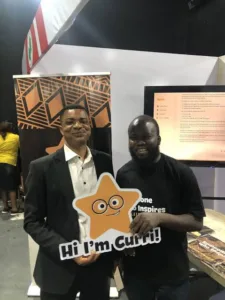
Curr AI’s Bold Ambitions
Curri AI’s ambitions are bold but grounded in local realities. Over the next five years, the platform will expand into three to five African countries, each with customised content, languages, and features that reflect local needs.“We want to be the first stop for local content generation,” says Bature. “Whether in Kano, Oyo, or Maiduguri, the tools you get should be made for your specific context, not generic content from thousands of miles away.”
Access and Availability of Curri AI
Curri_AI is currently available as a web app. It also has a gamified app on the Play Store. Plans for a dedicated mobile app with offline capabilities are underway to support rural teachers through the (Foundational Literacy and Numeracy) FLN project, enabling them to continue improving literacy and numeracy even without reliable internet.
Committed to Quality and Compliance
Security and standards matter to Curri AI. The platform is NDPR-certified and aims to comply with ISO standards. Looking ahead, the team wants to build more partnerships with publishers and HR-focused education platforms like EduTams and Kunderkit to widen the pool of resources available to teachers.
Why Curri AI Is a Game-Changer
Bature has been working on Curri_AI since 2020, way before AI became the buzzword it is today. “Our mission has never been to replace teachers but to give them the tools they need to succeed. Curricula are the blueprints of education, so improving them is urgent,” stated Mr. Bature.
At its heart, Curri AI is about keeping the human element front and centre. On a continent where education is greatly constrained by numerous factors, Curri AI is carving out a space as a useful aid for teachers.